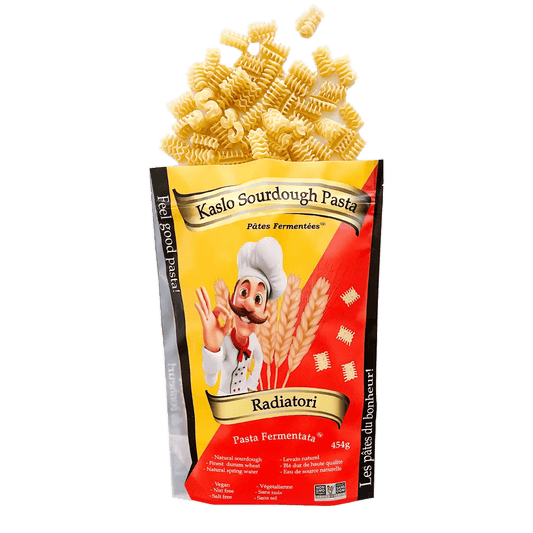
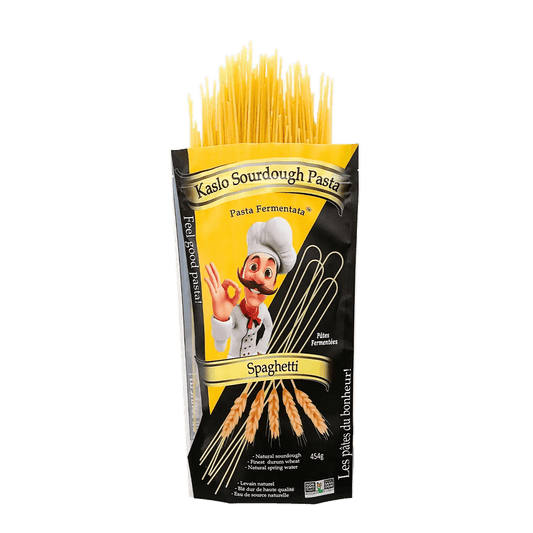
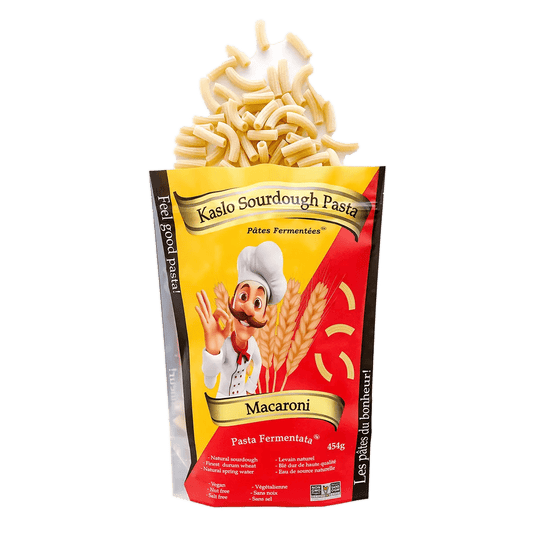
Sourdough pasta and traditional pasta differ in ingredients and fermentation processes, leading to variations in nutrition, flavor, and texture.
Ingredient and process differences
- Traditional pasta: typically made from durum wheat flour and water (or eggs) and dried.
- Sourdough pasta: made with a sourdough starter that ferments the dough, unlocking nutrients and altering the structure.
Nutrition and health
- Digestibility: Sourdough fermentation breaks down gluten and starches, making sourdough pasta easier to digest than conventional pasta (How is sour dough better for the gut? : r/nutrition).
- Glycemic index: Fermented pasta has a lower glycemic index because organic acids slow starch digestion, helping maintain steady blood sugar (How is sour dough better for the gut? : r/nutrition).
- Mineral bioavailability: Fermentation reduces anti-nutritional factors and enhances absorption of minerals like iron and zinc (How is sour dough better for the gut? : r/nutrition), whereas standard pasta lacks this advantage.
- Prebiotic content: Sourdough provides prebiotics that support the gut microbiome (What Makes Sourdough Pasta Unique).
Flavor and texture
- Sourdough pasta offers a subtle tang and softer, silkier texture with a complex flavor.
- Traditional pasta has a neutral taste and firm texture.
Which should you choose?
If you’re looking for better digestion, improved nutrient absorption and a unique flavor profile, sourdough pasta is a compelling upgrade. Conventional pasta remains a pantry staple, but once you taste the artisanal tang of sourdough, you might not go back!